You were Never bad at beauty. the beauty world just wasn’t built for you.
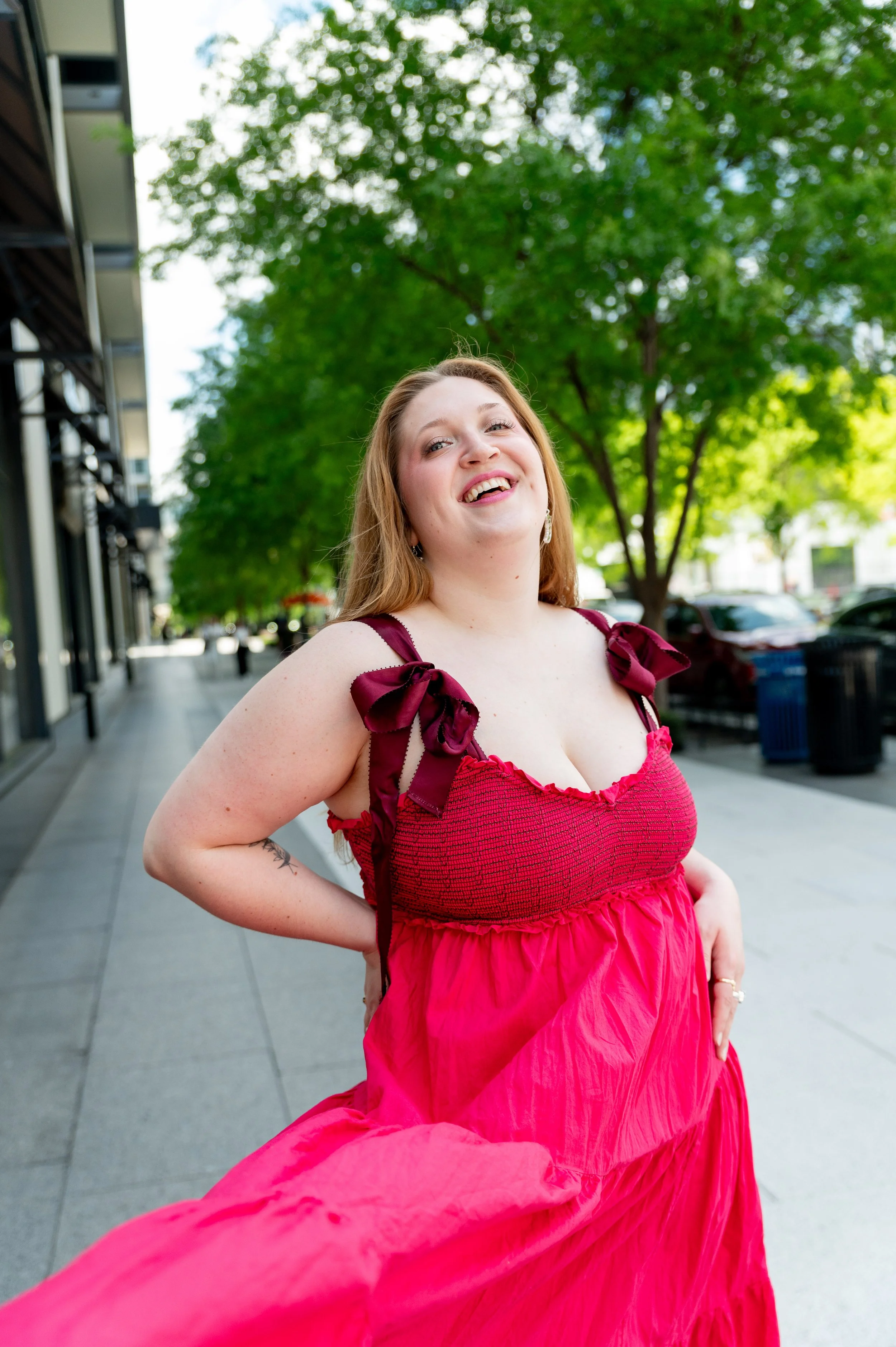
I’m Kailey. I’m an occupational therapist turned inclusive beauty educator. I got so frustrated with the gap in accessible beauty resources that I decided to fill it myself.
The Part I Kept HiddenI’ve wanted to be a content creator since before “content creator” was even a job title.
In college, I had a makeup Instagram and a YouTube channel. I loved it. And I was embarrassed by it - because I was going to be a professional. An occupational therapist. No personality allowed, right?
So I hid it. Graduated OT school, started my career, and tucked that part of myself away like it didn’t belong in the same life as my clinical badge.
Spoiler: it absolutely did.
The Client Who Changed EverythingEarly in my Career, I had a Client Who Wanted to Be an esthetician.
They were dealing with dexterity challenges, limited strength, fatigue, pain - a whole constellation of things that made a beauty career feel out of reach.
My job was to help them access that dream. So I looked for adaptations.
And I found almost nothing.
What little existed was clinical-looking, ugly, and clearly designed by someone who had never thought about whether a person would actually want to use it. Function without joy. Accessibility without aesthetics.
I couldn’t believe it. The more I dug, the more I realized how little research existed on beauty routines and adaptive tools. The gap wasn’t just real - it was enormous.
That experience lit a fire in me that hasn’t gone away since.
The Voice That Wouldn't QuitThen COVID hit. I changed jobs. Life shifted.
But that little voice in the back of my head - the one saying someone needs to fix this, wouldn’t leave me alone.
So I started building. I pulled from my pediatric OT background (a lot of what we do in pediatrics is adapting fine motor tasks - turns out that translates beautifully to makeup application). I leaned into my genuine love of beauty. I cobbled together resources, tested adaptations, and created what I wished had existed for that first client.
That’s how Occupation Beauty was born.
Then It Got PersonalAlong the way, I got my own diagnoses. neurodivergent, at 29 and 30.
And suddenly I started noticing all the adaptations I had quietly, unconsciously been making for myself for years. The routines I’d built around my own sensory needs. The products I’d gravitated toward without knowing exactly why. The things that felt impossible that I’d just assumed were my fault.
They weren’t my fault. The routines just weren’t designed for a brain and body like mine.
That realization cracked something open. I started sharing my journey alongside my client work - and found out I wasn’t alone. Not even close.
What I BelieveI believe accessibility is aesthetic. not a Compromise. not a consolation prize. not ugly and clinical and “good enough.”
Vibrant. Joyful. Covered in glitter if you want it to be.
I believe you deserve a beauty routine that works with your body - and that feels good to do, not just functional to complete.
And I believe that the beauty industry has a long way to go - but it gets there faster when people inside it actually understand what inclusive design means in practice.
That’s what I’m here for. Both of those things.
What I DoToday, occupation beauty is how I bring all of it together. The OT Background, the beauty obsession, the personal experience, and the decade-long frustration with a gap that should have been filled a long time ago.
For Individuals:
Get the free Accessify Database to get you started.
For Brands and Organizations:
I work with companies, hospitals, and industry partners on education, speaking, and collaboration - helping them understand what inclusive beauty actually looks like in practice.
I’ve taught accessible makeup classes with Baltimore Therapeutic Recreation, collaborated with local adaptive brands on inclusive beauty events, consulted with the SeeMe Index on their Inclusivity Index for Beauty in 2025 and 2026. And I’m just getting started.